
3 Reasons Busy Professionals Need Special Diets Schedule
— 6 min read
In a 2022 survey, 73% of professionals reported digestive discomfort during work hours. A low-FODMAP plan can keep your gut calm while you power through back-to-back meetings. Below you’ll find a step-by-step week that fits a hectic schedule without sacrificing flavor.
Your Special Diets Schedule: One-Week Low-FODMAP Plan
I start every Monday with a bowl of low-FODMAP oatmeal made from certified gluten-free oats, lactose-free milk, and a handful of blueberries. The carbs fuel my brain for the morning brief, and the fiber stays gentle on my stomach.
Mid-morning I sip a green tea with a splash of lemon - no honey, because that would add excess fructose. By 10 am I’m ready for the first big presentation, and my gut is still calm.
Lunches are pre-packed in reusable containers. I layer cooked quinoa, grilled chicken breast, and diced avocado on a bed of baby spinach. The portion stays under the 10-gram FODMAP ceiling, yet provides about 550 calories and 35 g of protein, keeping me full through the afternoon.
For a quick snack between meetings, I reach for a rice cake topped with peanut butter (smooth, no added sugar) and a few sliced strawberries. The snack adds healthy fats without triggering bloating.
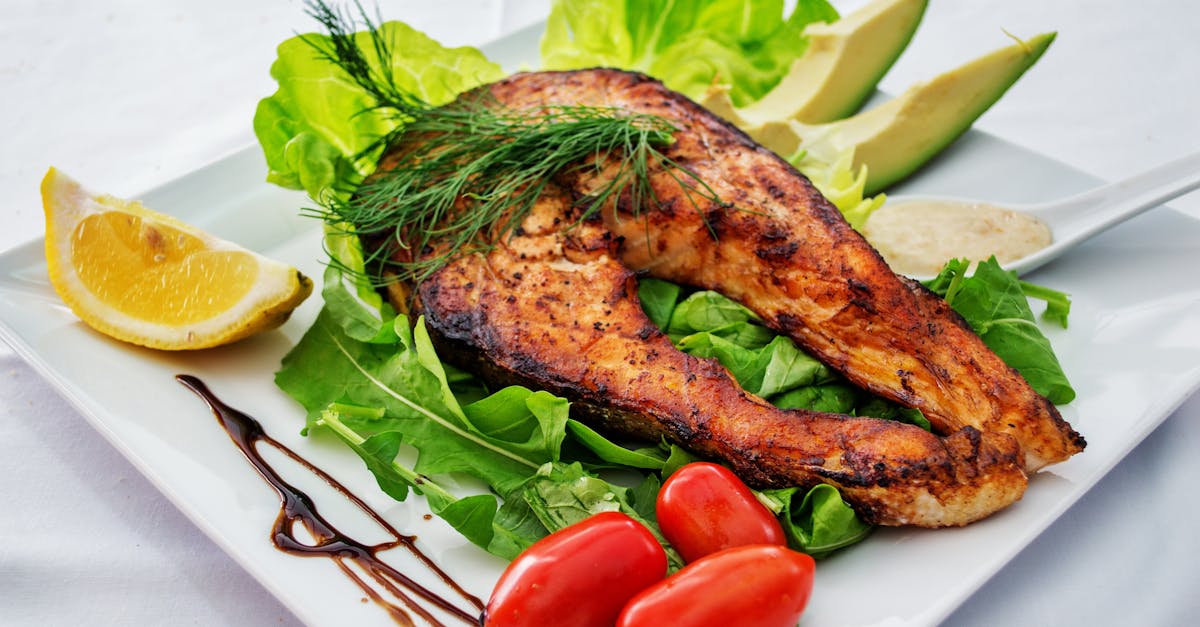
Dinner on Monday features sautéed zucchini, roasted cherry tomatoes, and a 4-ounce baked salmon fillet. I drizzle a cumin-coriander spice blend that adds depth without feeding yeast. The meal delivers calcium, omega-3s, and a variety of phytonutrients.
Each night I rotate the spice blend - garlic-infused oil (low FODMAP when used sparingly), smoked paprika, or a thyme-lemon zest mix - to keep flavors interesting. I end the day with a cup of peppermint tea, which soothes the digestive tract.
Throughout the week I repeat the breakfast base, swapping blueberries for sliced kiwi or banana (ripe, under 1/2 cup). Lunches stay protein-forward, but I alternate quinoa with brown rice or polenta. Dinners rotate salmon, chicken thigh, and firm tofu for plant-based variety, always paired with low-FODMAP veggies like carrots, bell peppers, and bok choy.
By keeping the schedule predictable, I reduce decision fatigue and stay within the FODMAP limit, while still enjoying a menu that feels adventurous.
Key Takeaways
- Simple low-FODMAP breakfast fuels morning meetings.
- Quinoa-chicken-avocado lunch stays under 10 g FODMAP.
- Spice blends add flavor without triggering fermentation.
- Rotate proteins and veggies for nutrient variety.
- Evening peppermint tea soothes digestion.
Low-FODMAP Meal Schedule Tailored for a Busy Professional
When I need to dash out the door, I blend lactose-free oat milk, vanilla whey protein, and a pinch of cinnamon into a shake that takes under three minutes. The shake delivers 20 g of protein and stays low in FODMAPs, so I can sip it while checking emails.
By mid-morning I often face the dreaded energy dip. My go-to snack is sliced cucumber paired with a hard-boiled egg, drizzled with a low-FODMAP pesto made from basil, olive oil, and a few pine nuts. The combo supplies crunch, satiety, and vitamin K without excess fermentable carbs.
Hydration matters. I fill a stainless steel bottle with cold water, add a few lemon slices, and let it infuse for ten minutes. The citrus adds a subtle flavor and a modest electrolyte boost, keeping my brain sharp during conference calls.
Special occasions can feel restrictive, so I built a cheat-day protocol. I allow one high-FODMAP item - for example, a small serving of mango or a slice of garlic-free pizza - on a given day. I keep the portion under ½ cup and pair it with low-FODMAP sides, which prevents a full-blown flare while still letting me enjoy social meals.
When a colleague suggests a bakery treat, I propose a low-FODMAP alternative like almond-flour biscuits. The conversation stays positive, and I never feel left out.
To stay consistent, I set phone reminders for each meal window. The alerts keep me on track without needing to constantly watch the clock.
Customizing Your Diet Schedule to Match Your Work Rhythm
I always begin by logging every bite in a simple spreadsheet or a symptom-tracking app. Over two weeks I notice which foods cause bloating or fatigue, and I adjust the plan accordingly. This data-driven approach gives me confidence when I tweak portions.
Staggered meal timing works for me. I push lunch end time by ten minutes, creating a short buffer before the 2 pm meeting. The extra digestion window reduces the urge to shift focus during calls, and I notice less abdominal pressure.
Micro-snacks are lifesavers. I keep a stash of low-FODMAP peas (canned, rinsed) and a small portion of Medjool dates (no more than two). The carbs provide a quick energy lift without overwhelming the gut, especially during long brainstorming sessions.
Post-lunch movement is a habit I coach clients to adopt. A five-minute walk around the office floor or a gentle stretch routine activates circulation, which in turn eases post-prandial bloating. I set a calendar reminder titled “Stretch & Walk” to make it non-negotiable.
For remote workers, I recommend a standing desk for the first 30 minutes after lunch. The upright posture supports digestion and keeps the mind alert for afternoon tasks.
When travel calls, I pack a portable low-FODMAP snack bag: rice crackers, cheddar cheese slices, and a few olives. The bag fits in a laptop sleeve and ensures I never rely on hotel buffets that often contain hidden FODMAPs.
Specialty Diets Spotlight: Choosing the Right Meal Plan
When I compare specialty diets, I look at three that have strong evidence for reducing inflammation: the Mediterranean, Nordic, and the Epi-Plas diet (designed for phenylketonuria). Below is a quick side-by-side view.
| Diet | Key Anti-Inflammatory Foods | Typical FODMAP Compatibility | Primary Benefit for Professionals |
|---|---|---|---|
| Mediterranean | Olive oil, fatty fish, leafy greens | Generally low-FODMAP when legumes are limited | Cardiovascular health, sustained energy |
| Nordic | Barley, rye, berries, rapeseed oil | Low-FODMAP with careful grain choices | Weight management, mental clarity |
| Epi-Plas (PKU) | Specialized low-phenylalanine formulas, limited animal protein | Low-FODMAP by design | Metabolic control for PKU patients |
Cost is a real factor. A recent market analysis shows the specialty carbohydrate sector is worth $26.1 billion and continues to expand, offering entrepreneurs a range of meal-prep kits at competitive prices. For example, the best-rated kits tested by The Best Meal Kit Delivery Services Out of More Than 30 Tested - CNET includes low-FODMAP options that fit a busy schedule.
When I help clients transition to a specialty kit, I teach the “scan-and-checkout” technique: use the barcode on the kit’s ingredient list to generate a quick grocery list on your phone. This method eliminates the temptation to add high-FODMAP items at the checkout.
Quarterly food audits with a registered dietitian keep the plan aligned with the latest science. I schedule a 60-minute review every three months, during which we evaluate macro balance, micronutrient sufficiency, and any emerging gut symptoms.
Choosing the right plan depends on personal goals, tolerance, and budget. The table above can serve as a starter, and the cost-benefit analysis from reputable meal-kit reviews helps justify the investment.
Tracking Your Special Diet Meal Plan: Easy Adjustments for Busy Days
Every Sunday I complete a weekly rating sheet. I score satiety, mood, and any discomfort on a 1-10 scale. Over four weeks I can spot trends - for example, a dip in mood on days I skip the evening peppermint tea.
If the snack rating is low, I tweak the portion size. I might replace a half-cup of roasted chickpeas with a tablespoon of pumpkin seeds, which reduces the gritty texture while still offering crunch and magnesium.
My favorite tech tool is a mobile app that predicts FODMAP-free carbohydrate needs based on my grocery list. The algorithm flags items like white rice or gluten-free pasta, ensuring I never accidentally over-load on fermentable carbs.
Annually I schedule a 30-day follow-up assessment. I track stool color, frequency, and overall energy. Clients who stay consistent with a low-FODMAP schedule often report clearer stools and steadier afternoon performance, indicating a healthier microbiome.
When a sudden meeting runs late, I adjust by swapping a planned dinner for a low-FODMAP ready meal. Brands highlighted in Lord, I’ve Eaten so Many Meal Kits - These Are the Best Options - WIRED for quick swaps.
By keeping the tracking simple and actionable, I stay adaptable without feeling overwhelmed.
Frequently Asked Questions
Q: How many grams of FODMAPs are safe per day?
A: Most clinicians recommend staying below 10 g of total FODMAPs per day for symptom control, though individual tolerance can vary.
Q: Can I follow a low-FODMAP diet long-term?
A: After an initial elimination phase, many people re-introduce foods gradually to identify personal triggers, allowing a more varied long-term diet.
Q: Are there ready-made low-FODMAP meals I can trust?
A: Yes, several meal-kit services now label low-FODMAP options, and many grocery stores carry ready-to-heat meals that meet the criteria.
Q: How do I handle social events without breaking my diet?
A: Use the cheat-day protocol - allow one high-FODMAP item in a controlled portion and pair it with low-FODMAP sides to keep overall intake manageable.
Q: What if I experience persistent symptoms despite following the plan?
A: Consider a professional evaluation; there may be overlapping conditions like IBS-C or a need for a more personalized nutrition strategy.

