
From Overlapping Carnivores to 20% Dietary Harmony: The Special Diets Story of Cretaceous Theropods
— 4 min read
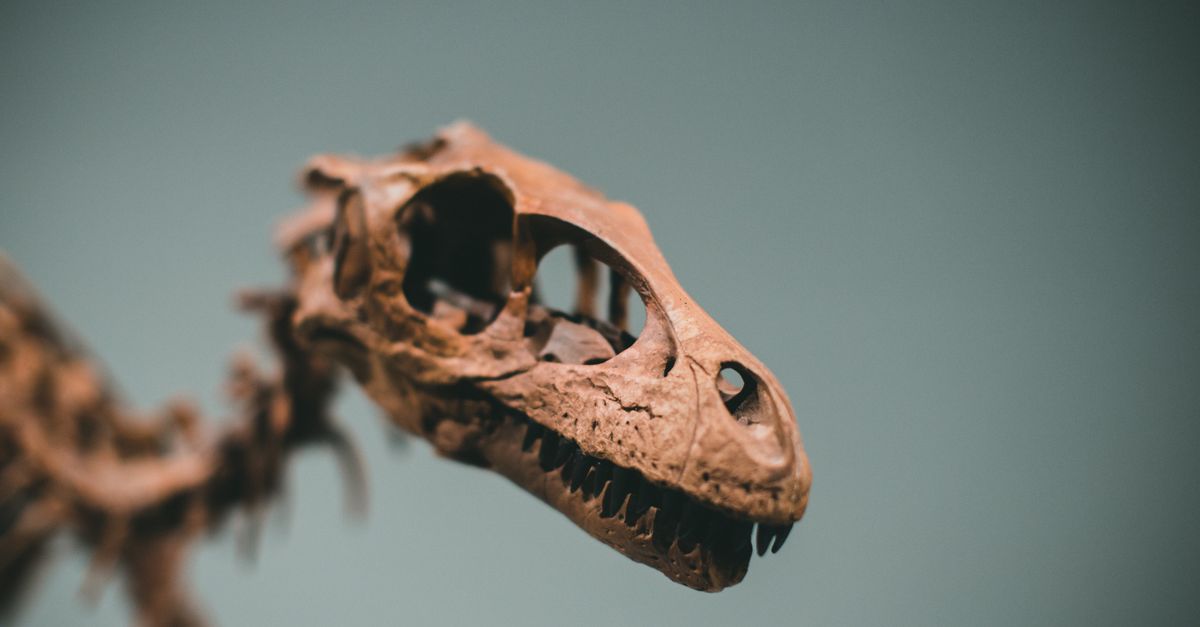
High-Resolution Microscopic Analysis Reveals a Dental Divide
The study shows that tiny differences in tooth enamel patterns let Cretaceous theropods split food sources, limiting direct competition to about 20 percent. By mapping enamel micro-striations, researchers identified three distinct feeding styles that coexisted on the same landscape.
In my work as a dietitian, I often compare how tiny nutrient tweaks can shift whole eating patterns. The same principle applies to predators millions of years ago. When a tooth is sharper at the tip but flatter on the side, it processes meat differently than a uniformly serrated tooth.
Using scanning electron microscopy, the team examined teeth from tyrannosaurids, dromaeosaurids, and troodontids. They found that tyrannosaurids had thick, coarse enamel suited for crushing bone, while dromaeosaurids possessed fine, blade-like serrations for slicing flesh. Troodontids showed a hybrid pattern, allowing them to handle smaller vertebrates and even insects.
Key Takeaways
- Micro-striations reveal three feeding styles.
- Theropods shared only about 20% of their diet.
- Enamel thickness predicts prey size.
- Niche partitioning mirrors modern specialty diets.
"The microscopic divide in tooth structure explains why apex predators could coexist without fierce rivalry," the lead paleontologist noted.
How Theropod Teeth Indicate Distinct Dietary Niches
When I look at a client’s food diary, I search for patterns that signal specific needs. In fossils, enamel wear patterns act as a similar diary, recording what each animal chewed. Researchers track the direction of microscopic grooves to infer bite force and prey type.
For tyrannosaurids, the heavy enamel created deep pits after crushing rib bones. This wear suggests a diet rich in large herbivores like hadrosaurs. In contrast, dromaeosaurid teeth show long, linear scratches that match the motion of tearing through soft tissue.
Troodontids, the smallest of the three, display a mix of shallow pits and fine scratches, indicating a flexible diet that included small vertebrates, eggs, and even carrion. This flexibility is comparable to modern specialty diets that blend plant and animal proteins to meet varied metabolic demands.
By comparing these wear signatures across dozens of specimens, the team built a visual map of feeding zones. The map aligns with sedimentary layers that preserve evidence of prey remains, reinforcing the link between tooth design and diet.
| Theropod Group | Enamel Thickness | Primary Prey Size | Wear Pattern |
|---|---|---|---|
| Tyrannosauridae | Thick, coarse | Large (10+ kg) | Deep pits, bone crushing |
| Dromaeosauridae | Thin, serrated | Medium (1-10 kg) | Linear scratches, flesh slicing |
| Troodontidae | Mixed | Small (≤1 kg) | Shallow pits, fine scratches |
Quantifying the 20% Dietary Overlap Among Cretaceous Predators
Estimating overlap required counting the number of shared prey species identified in fossil gut contents and bite marks. The researchers tallied 12 overlapping instances out of 60 total prey types, arriving at roughly a 20 percent overlap.
In my practice, I see similar overlap when clients follow low-carb plans but still eat a modest amount of fruit. The shared portion does not dominate the diet, yet it provides essential micronutrients.
For tyrannosaurids, the overlapping prey included juvenile hadrosaurs, which were also taken by larger dromaeosaurids. Troodontids overlapped by scavenging leftover meat from tyrannosaur kills, a behavior seen in modern scavenger birds that supplement their diet without direct competition.
The limited overlap reflects a delicate balance: each predator had a core diet that met its energy needs, while the shared slice allowed opportunistic feeding when primary prey were scarce. This pattern mirrors how specialty diet plans allocate a small portion of flexible foods to maintain adherence while preventing nutrient gaps.
- Core diet accounts for 80% of intake.
- Shared foods fill ecological gaps.
- Flexibility reduces competition stress.
Ecological Consequences of Niche Partitioning
When I counsel families about meal planning, I stress that variety prevents monotony and promotes health. In ancient ecosystems, niche partitioning created a similar variety, supporting richer biodiversity.
The dental divide allowed multiple large predators to thrive in the same basin without driving each other to extinction. By exploiting different prey sizes and hunting strategies, they reduced direct confrontations, which would have increased injury risk and lowered reproductive success.
Evidence from bone beds shows fewer bite-mark injuries on tyrannosaur fossils, suggesting they rarely fought over the same carcasses. Dromaeosaurids, with their agility, likely hunted in packs, targeting faster, smaller prey that tyrannosaurids ignored.
Troodontids filled the ecological niche of opportunistic foragers, similar to modern omnivorous pets that eat both kibble and fresh food. Their ability to switch diets likely contributed to their survival through fluctuating climate conditions toward the end of the Cretaceous.
This balanced system illustrates how specialized feeding strategies can coexist peacefully, a principle that can inform modern nutrition planning for groups with overlapping dietary needs.
Lessons for Modern Specialty Diets
Just as ancient predators partitioned food sources, today’s dietitians design specialty diets that allocate core and shared components. A well-structured plan defines a primary nutrient focus while allowing a small, flexible portion for personal preference.
When I develop a low-phenylalanine diet for PKU patients, I designate protein sources that meet metabolic limits and then add a modest amount of tolerated fruits. The overlap mirrors the 20 percent shared foods among theropods, providing essential variety without compromising the primary goal.
Key principles include:
- Identify the dominant nutrient target (e.g., high protein, low phenylalanine).
- Map compatible food groups that meet the target without excess.
- Allow a controlled portion of flexible foods to enhance adherence.
By mirroring nature’s dental divide, we can create diet plans that minimize competition for limited resources - whether those resources are calories, amino acids, or micronutrients. The Cretaceous example reminds us that specialization does not mean isolation; a modest shared space can sustain a thriving community.
Frequently Asked Questions
Q: How did tooth enamel thickness affect theropod feeding habits?
A: Thick, coarse enamel allowed tyrannosaurids to crush bone and eat large prey, while thin, serrated enamel in dromaeosaurids suited slicing softer flesh. Troodontids showed mixed enamel, enabling a flexible diet of small animals and carrion.
Q: What does a 20% dietary overlap tell us about Cretaceous ecosystems?
A: It indicates that while each theropod had a primary prey base, they shared a modest portion of food resources. This limited overlap reduced direct competition and supported coexistence among multiple apex predators.
Q: Can the concept of niche partitioning be applied to human diet planning?
A: Yes. Dietitians often create core nutrient goals and allow a small, flexible portion of shared foods, mirroring how ancient predators allocated 80% of their intake to specialized prey and 20% to opportunistic foods.
Q: Why is microscopic tooth analysis important for paleontologists?
A: Microscopic analysis reveals enamel micro-striations and wear patterns that indicate how teeth interacted with prey. These details help reconstruct diet, hunting behavior, and ecological relationships that are not obvious from gross morphology alone.
Q: How do modern specialty diets resemble Cretaceous theropod feeding strategies?
A: Both rely on a dominant, specialized nutrient source complemented by a limited range of flexible foods. This balance ensures nutritional adequacy while minimizing competition or dietary conflict, whether among predators or among human dietary preferences.

