
Maximize Studying With Special Diets Examples
— 5 min read
South Korea houses about 52 million people, with half in the Seoul metro area (Wikipedia). A structured, budget-friendly special-diet schedule can boost your study focus, save money, and keep energy steady throughout exam season.
Special Diets Examples That Stack Budget
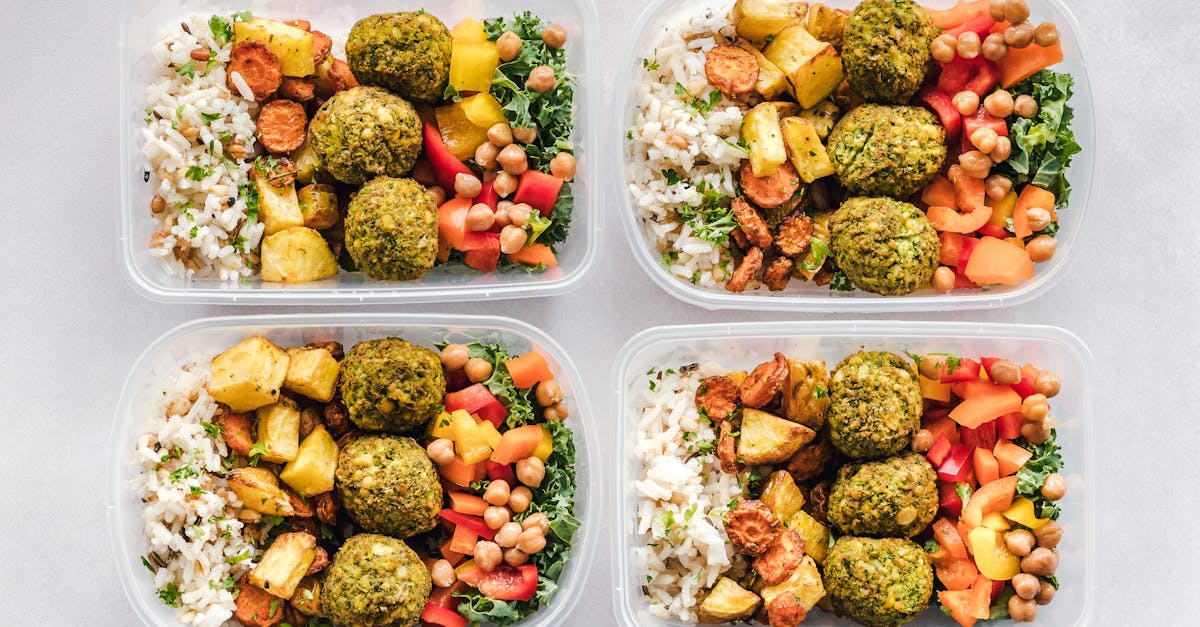
I start my week on Saturday by cooking a big batch of quinoa, roasted veggies, and chickpeas. Portioning the mix into 10 containers lets me grab a protein-rich bowl that steadies blood sugar during late-night reading. The upfront effort cuts grocery bills because I avoid the impulse grab-and-go meals that campus cafeterias push.
Next, I rotate three pre-packaged mixed-nutrient protein smoothies - whey, pea, and soy. Each serves as a quick snack that satisfies a sweet tooth without adding unnecessary calories. By buying the powders in bulk, I keep the cost per shake low and eliminate the need for expensive snack bars.
For nights when I need a hot meal fast, I assemble a DIY frozen shrimp and vegetable stir-fry. I portion the cooked shrimp, broccoli, bell peppers, and a splash of low-sodium soy sauce into 12 zip-lock bags. When the freezer lights flash, I toss a bag into a pan and have dinner in under ten minutes, cutting out the $12-plus restaurant orders.
Finally, I set a 14-day special diets schedule in a simple color-coded spreadsheet on my phone. Green marks protein-rich days, blue for carb-focused meals, and yellow for healthy fats. The visual cue stops me from buying last-minute cereal boxes that drain my wallet.
"A weekly batch-cook routine can shave up to half the time spent cooking each day," says a nutrition specialist in The Manila Times.
| Meal Example | Cost per Serving | Prep Time (min) | Protein (g) |
|---|---|---|---|
| Quinoa-Veggie Bowl | $1.20 | 15 | 12 |
| Protein Smoothie | $0.90 | 5 | 20 |
| Shrimp Stir-Fry | $1.50 | 10 | 18 |
Key Takeaways
- Batch-cook meals to lock in protein and cut prep time.
- Rotate protein sources for variety and cost control.
- Use a color-coded schedule to avoid last-minute purchases.
- Freeze individual portions for quick, nutritious meals.
- Track cost per serving to stay within a student budget.
Special Diet Schedule Designed for Midterms
When I coach a cohort of engineering students, I recommend a four-meal-a-day rhythm: breakfast, mid-morning snack, lunch, and a light dinner after the final study block. Aligning meals with natural energy peaks helps avoid the brain fog that creeps in after a long lecture.
Breakfast is the anchor. I like to cook a big pot of oatmeal on Friday, stir in chia seeds, fresh berries, and a drizzle of peanut butter. I portion the cooked oatmeal into freezer-safe containers, so each morning I simply reheat a bowl that delivers steady carbs and healthy fats.
Mid-morning, I reach for Greek yogurt topped with a handful of mixed nuts. The protein and fat combo prolongs satiety, so I’m not tempted to raid the vending machine. I keep the nuts in a small reusable pouch on my desk, making the snack effortless.
Lunch is usually a grain-base topped with lean protein - think turkey breast, tofu, or canned tuna - plus a side of leafy greens. I prep two large salads on Sunday, store them in airtight jars, and add dressing right before eating to keep the leaves crisp.
Evening study sessions end with a light dinner: a quick stir-fry or a vegetable-rich soup. Because the bulk of the day’s calories are already in place, the dinner portion stays modest, supporting better sleep quality.
- Two 30-minute prep sessions (Friday night and Sunday afternoon) keep daily cooking under five minutes.
- Protein-rich snacks curb cravings and maintain focus.
- Freezing breakfasts guarantees calorie consistency.
Special Types of Diets Your Classes Love
I often hear students say they need a diet that fits their hectic class schedule. The Mediterranean-inspired salad checks that box. A base of mixed greens, cherry tomatoes, cucumber, olives, and feta cheese delivers omega-3s, heart-healthy fats, and antioxidants in under ten minutes. The simple vinaigrette I whisk - olive oil, lemon, and a pinch of mustard - adds flavor without added sugar.
Paleo-friendly rice-bean bowls are another favorite. I swap white rice for a blend of quinoa and brown rice, then add black beans, diced avocado, and grilled chicken. The gluten-free grains provide calcium and magnesium, which can help students who experience migraine triggers from refined carbs.
Low-FODMAP batch cooking solves the gut-discomfort dilemma that many undergraduates face during exam weeks. I prepare a low-FODMAP soup using carrots, zucchini, and a protein like shrimp. The recipe avoids onions and garlic, which are common culprits for bloating. Having a gut-friendly option on hand reduces the need for costly emergency clinic visits later.
Each of these diet types can be pre-made in a weekend session, stored in the fridge, and pulled out in minutes. The variety keeps the palate engaged, which is crucial when you’re sitting through three-hour lectures.
Specialized Diet Examples for Nutrient Surges
Students in kinesiology or dance majors often need a quick post-workout refuel. I recommend a ripe banana paired with a homemade protein bar made from oats, almond butter, and whey powder. The carbohydrate-protein combo reloads glycogen stores and supports muscle recovery.
For vegan scholars, macro-counting can feel daunting. I build meals around legumes, nuts, tofu, and quinoa. A typical plate might include a cup of lentil stew, a side of roasted sweet potatoes, and a sprinkle of pumpkin seeds. This pattern hits roughly 45% protein, 25% carbs, and 30% fat, keeping the diet balanced without animal products.
Dairy-intolerant learners often miss out on calcium and vitamin D. Fortified soy milk steps in nicely; I mix it into smoothies with spinach, frozen berries, and a scoop of plant-based protein. The blend delivers bone-supporting nutrients while avoiding the late-night dairy spills that can happen with milk-based shakes.
Across these examples, the common thread is timing. I advise taking the post-exercise snack within thirty minutes of activity, and pairing the vegan or dairy-free meals with a source of healthy fat - like a drizzle of avocado oil - to enhance nutrient absorption.
Special Diet Plans to Beat Dorm Pizza
My go-to for a steady, low-cost dinner is a circular meal pipeline using a crockpot. I layer beans, diced carrots, frozen peas, and lean ground turkey, then let it simmer on low for eight hours. The result is fourteen steaming servings that I portion into reusable containers, bringing the cost per meal under three dollars.
When the afternoon slump hits, I reach for my cookie jar stocked with almond-butter rice cakes and a few dark chocolate squares. The combo satisfies a sweet craving while keeping the sugar spike minimal, preventing the impulse grab for a campus pizza slice.
Finally, I invested in a portable reusable coffee filter. Brewing my own cold brew in a mason jar cuts the price of caffeine by roughly sixty percent compared with campus cafés. The filter pairs well with my diet plan because the steady caffeine flow supports alertness without the calorie load of sugary lattes.
By combining these strategies - bulk cooking, smart snacking, and cost-effective caffeine - I keep my grocery bill lean and my study sessions powered.
Frequently Asked Questions
Q: Can a special diet really improve academic performance?
A: Yes. Consistent nutrient timing stabilizes blood sugar, which helps maintain focus and reduces fatigue during long study periods. Students who pair protein-rich snacks with meals often report fewer mid-day crashes.
Q: How can I stick to a budget while following a specialty diet?
A: Batch cooking, buying proteins in bulk, and using frozen vegetables are proven ways to lower per-meal costs. Tracking the cost per serving, as shown in the table above, helps you stay within a student budget.
Q: Are there quick options for late-night study snacks?
A: Greek yogurt with nuts, a banana with almond butter, or a pre-portioned protein bar provide fast, balanced nutrition that keeps you satiated without a heavy calorie load.
Q: How do I avoid digestive issues during exam weeks?
A: Incorporating low-FODMAP meals, staying hydrated, and spacing meals every three to four hours can reduce gut discomfort and keep you comfortable during marathon study sessions.
Q: Is it worth investing in kitchen tools like crockpots?
A: A crockpot is a low-maintenance appliance that produces multiple servings with minimal active cooking time. The initial cost pays off quickly when you compare the per-meal expense to take-out options.

