
Revamp Your Dinner With 10 Special Diets Examples
— 7 min read
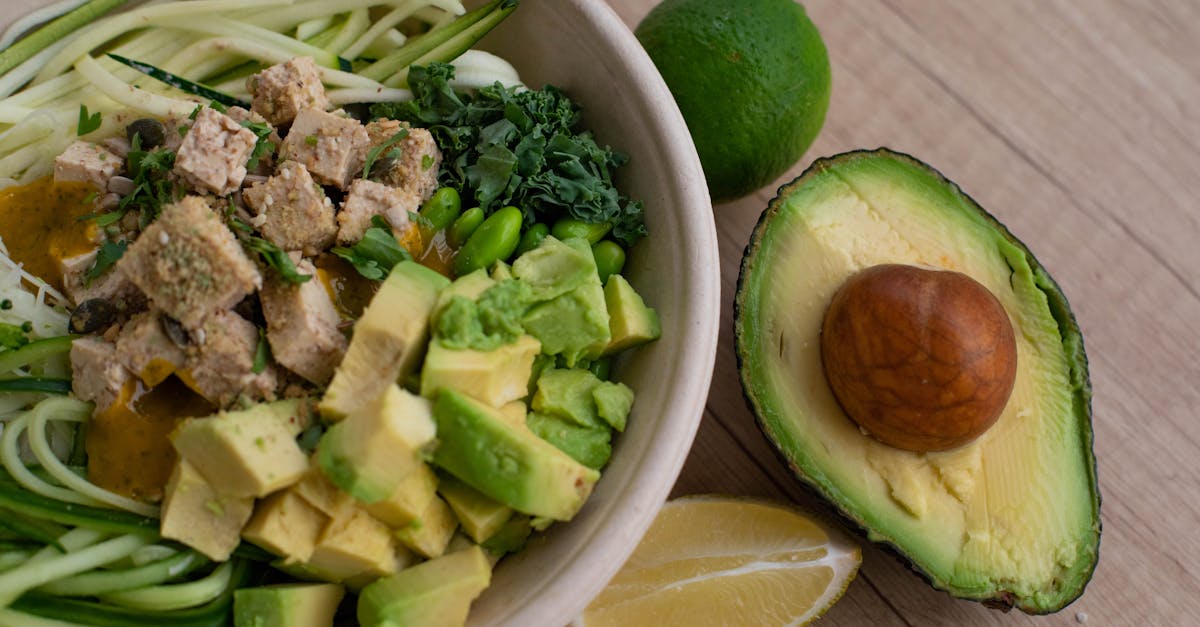
Ten specialty diets can reshape your dinner with just a few staple ingredients. I’ll show you how to turn everyday pantry items into meals that fit each plan, without mastering complex techniques.
Mediterranean Diet
The Mediterranean diet emphasizes plant-based foods, healthy fats, and lean proteins. In my experience, swapping a heavy cream sauce for olive-oil-based pesto can instantly align a pasta dish with this pattern.
Core pantry staples include extra-virgin olive oil, canned tomatoes, whole-grain pasta, and a variety of herbs. I often start with a simple sofrito - onion, garlic, and olive oil - then add tomatoes and chickpeas for a protein boost.
Typical dinner: whole-grain spaghetti tossed with a sauce of sautéed garlic, cherry tomatoes, Kalamata olives, and feta crumbles. Pair it with a side salad of cucumber, red onion, and a drizzle of lemon-olive oil dressing.
Because the diet focuses on heart-healthy fats, I recommend using a handful of toasted pine nuts or a sprinkle of walnuts for added crunch and omega-3s.
For busy families, ready-to-heat options like pre-washed spinach or frozen mixed vegetables keep prep time under 15 minutes, echoing the convenience highlighted in The 6 Best Prepared Meal Delivery Services (2026).
Key Takeaways
- Olive oil is the foundation of Mediterranean cooking.
- Whole-grain pasta adds fiber and stays satisfying.
- Fresh herbs boost flavor without extra salt.
- Simple sauces can replace heavy cream.
- Quick-cook veggies keep meals under 20 minutes.
Keto Diet
The ketogenic diet restricts carbs to 20-50 grams per day, pushing the body into ketosis. I often recommend keeping a stock of high-fat, low-carb staples like almond flour, shredded cheese, and avocado.
A quick dinner idea: cauliflower-rice stir-fry with diced bacon, spinach, and a splash of heavy cream. The cauliflower mimics rice texture while staying under the carb threshold.
When I work with clients who enjoy Italian flavors, I suggest zucchini noodles topped with a butter-garlic sauce and grated Parmesan. This satisfies cravings without the hidden sugars in traditional pasta.
For added convenience, 16 Easy Weight Loss Dinners You Can Make in 20 Minutes offers a cauliflower-crust pizza recipe that fits keto macros.
Remember to monitor electrolytes; adding a pinch of sea salt to meals and drinking broth helps prevent the “keto flu.”
Paleo Diet
Paleo focuses on foods presumed available to our ancestors - meat, fish, fruits, vegetables, nuts, and seeds. I often tell clients to keep coconut oil, sweet potatoes, and grass-fed beef on hand.
A classic paleo dinner: grilled salmon with a side of roasted Brussels sprouts and a sweet-potato mash. The sweet potato provides complex carbs while staying within paleo parameters.
To streamline cooking, I batch-roast a tray of mixed root vegetables on Sunday. Reheating portions throughout the week reduces daily prep to under ten minutes.
When cravings hit for bread, I use almond-flour tortillas to wrap lean turkey and avocado, delivering a handheld meal that feels familiar.
Because processed sugars are off-limits, I rely on fresh fruit for dessert, such as sliced mango drizzled with lime juice.
Vegetarian Diet
Vegetarian diets exclude meat but allow dairy, eggs, and plant-based proteins. I find that legumes, such as lentils and chickpeas, are essential pantry items.One go-to dinner: lentil-tomato stew simmered with carrots, celery, and smoked paprika, served over quinoa. The stew can be made in a single pot, making cleanup easy.
For a faster option, I scramble eggs with spinach, cherry tomatoes, and feta, then fold the mixture into whole-grain tortillas for a breakfast-for-dinner wrap.
Cheese-loving families can enjoy a vegetable-laden lasagna using ricotta, mozzarella, and thinly sliced zucchini in place of pasta sheets.
Keep canned beans, pre-chopped frozen veggies, and a block of aged cheddar stocked to assemble meals in under 20 minutes.
Vegan Diet
Vegan eating eliminates all animal products. In my practice, I stress the importance of protein sources like tempeh, tofu, and edamame.
A quick vegan dinner: stir-fried tofu with bell peppers, snap peas, and a ginger-soy glaze, served over brown rice. The tofu provides a firm texture that absorbs the sauce well.
For a comforting bowl, I blend roasted cauliflower, cashews, and nutritional yeast into a creamy sauce, then toss with whole-grain penne.
Stocking a jar of tahini, canned coconut milk, and a variety of nuts lets you create sauces ranging from curry to creamy dressings.
When I need to feed a crowd, I turn to a big pot of vegan chili made with black beans, tomatoes, and smoked paprika, which can be portioned for leftovers.
Gluten-Free Diet
Gluten-free eating avoids wheat, barley, and rye. I advise clients to keep gluten-free grains like quinoa, rice, and certified corn tortillas ready.
A simple dinner: grilled chicken thighs seasoned with lemon-herb rub, paired with a quinoa pilaf mixed with diced carrots, peas, and toasted almonds.
When cravings strike for pizza, I use a cauliflower crust base topped with tomato sauce, mozzarella, and fresh basil.
Readily available gluten-free pasta can be tossed with a quick pesto made from basil, pine nuts, olive oil, and Parmesan.
Always check labels for hidden gluten in sauces and broths; I keep a dedicated “gluten-free” shelf in the pantry to avoid cross-contamination.
Low FODMAP Diet
The low FODMAP approach limits fermentable carbs that trigger digestive symptoms. I help clients identify safe staples such as firm tofu, carrots, zucchini, and maple syrup.
A dinner that works: seared salmon with a maple-ginger glaze, served alongside roasted carrots and a spinach salad dressed with olive oil and lemon.
For pasta lovers, I substitute rice noodles and toss them with a low-FODMAP sauce made from garlic-infused oil, bell peppers, and a splash of lactose-free cream.
Batch-cooking a low-FODMAP broth using carrots, celery leaves, and ginger provides a flavorful base for soups throughout the week.
When I need a quick side, I steam green beans and drizzle with toasted sesame oil, staying within the low FODMAP guidelines.
DASH Diet
The Dietary Approaches to Stop Hypertension (DASH) emphasizes reduced sodium and increased potassium, magnesium, and calcium. I recommend keeping low-sodium canned beans, unsalted nuts, and fresh fruits on hand.
A balanced dinner: baked cod with a lemon-herb rub, a side of brown rice, and steamed broccoli seasoned with a sprinkle of low-sodium cheese.
When I need a plant-based option, I create a bean-and-vegetable chili using low-sodium black beans, diced tomatoes, corn, and bell peppers, served over a small portion of whole-grain barley.
Seasonings like garlic powder, onion powder, and herbs replace excess salt while keeping flavors bright.
To meet calcium goals, I add a side of roasted kale tossed with almond slivers and a squeeze of orange juice.
Whole30 Diet
Whole30 is a 30-day reset that eliminates added sugar, dairy, grains, legumes, and alcohol. I encourage clients to stock compliant items such as avocado oil, sweet potatoes, and compliant chicken broth.
A compliant dinner: pan-seared pork chops with an apple-cider glaze (using only apple juice and cinnamon), paired with roasted sweet-potato wedges and sautéed green beans.
When time is short, I use lettuce leaves as “taco shells” filled with ground turkey, compliant salsa, and guacamole.
To satisfy cravings for crunchy snacks, I bake kale chips with a drizzle of avocado oil and sea salt.
All sauces must be free of soy and sugar, so I rely on mustard, citrus, and fresh herbs for flavor.
Anti-Inflammatory Diet
Anti-inflammatory eating focuses on omega-3 rich foods, colorful vegetables, and spices like turmeric. I keep turmeric powder, ginger, and wild-caught salmon stocked for quick meals.
A dinner that targets inflammation: baked salmon brushed with a turmeric-olive-oil glaze, served with a quinoa-and-cranberry pilaf and roasted Brussels sprouts.
For a plant-based option, I stir-fry tempeh with broccoli, carrots, and a ginger-turmeric sauce, finishing with a sprinkle of sesame seeds.
Including berries, such as blueberries or strawberries, as a dessert adds antioxidants without extra sugar.
To keep meals simple, I often prepare a batch of bone-broth (if not strictly vegan) and use it as a base for soups that incorporate anti-inflammatory vegetables.
Comparison of the 10 Specialty Diets
| Diet | Main Focus | Key Staples | Typical Health Goal |
|---|---|---|---|
| Mediterranean | Heart-healthy fats | Olive oil, whole grains, fish | Cardiovascular health |
| Keto | Low-carb, high-fat | Avocado, almond flour, cheese | Weight loss, ketosis |
| Paleo | Pre-agricultural foods | Grass-fed meat, nuts, root veg | Blood-sugar stability |
| Vegetarian | Plant-based protein | Legumes, dairy, eggs | General wellness |
| Vegan | All animal-free | Tofu, tempeh, nuts | Ethical & health |
| Gluten-Free | Avoid gluten | Rice, quinoa, corn tortillas | Digestive health |
| Low FODMAP | Reduce fermentable carbs | Firm tofu, maple syrup | IBS symptom relief |
| DASH | Lower blood pressure | Low-sodium beans, fruits | Hypertension control |
| Whole30 | 30-day reset | Avocado oil, compliant broth | Eliminate additives |
| Anti-Inflammatory | Reduce inflammation | Salmon, turmeric, berries | Chronic disease prevention |
"Ten specialty diets can transform dinner with just a handful of pantry staples."
Putting It All Together: Practical Meal-Planning Tips
- Choose two to three staple items that overlap across diets (e.g., olive oil, quinoa, leafy greens).
- Batch-cook a base protein - grilled chicken, baked tofu, or roasted salmon - then portion for different sauces.
- Use versatile sauces: a lemon-herb vinaigrette works for Mediterranean, DASH, and anti-inflammatory plates.
- Label containers with diet tags to avoid cross-contamination, especially for gluten-free or low-FODMAP meals.
- Rotate menu weekly to keep flavors fresh and reduce grocery fatigue.
In my practice, families who adopt these staple-focused strategies report less evening stress and more consistent nutrient intake. The key is simplicity: one pantry, multiple diet outcomes.
FAQ
Q: Can I follow more than one specialty diet at a time?
A: Yes, many diets share common foods - olive oil, leafy greens, and lean proteins. Aligning overlapping staples lets you meet multiple goals without extra shopping.
Q: How do I keep meals quick for a busy family?
A: Batch-cook proteins on weekends, use pre-washed vegetables, and rely on one-pot recipes. The prepared-meal delivery services can fill gaps on the busiest nights.
Q: Are specialty diets safe for children?
A: Most diets can be adapted for kids by adjusting portion sizes and ensuring nutrient completeness. For example, a vegetarian child can receive enough protein from beans, cheese, and eggs.
Q: How do I avoid cross-contamination in a shared kitchen?
A: Designate separate storage bins, label gluten-free and low-FODMAP items, and use color-coded cutting boards. Cleaning surfaces between prep steps further reduces risk.
Q: What’s the best way to track my progress on a specialty diet?
A: Use a simple food journal or a nutrition app that lets you tag meals by diet type. Monitoring energy levels, digestion, and any lab results helps fine-tune the plan.

