
Special Diets vs Medication Toxicity Secret Fix Hungry Patients
— 6 min read
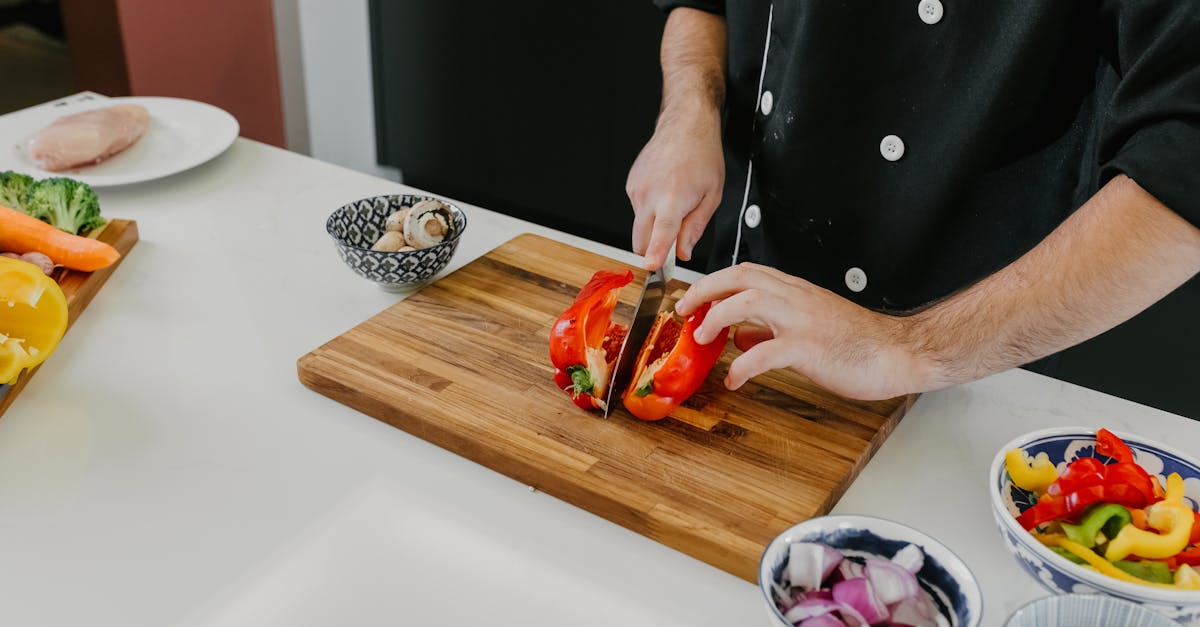
A coordinated special diet that aligns meals with medication profiles preserves appetite and supports healing. In a recent UW Health audit, 70% of patients reported improved appetite when meals were matched to their drugs.
Medical Disclaimer: This article is for informational purposes only and does not constitute medical advice. Always consult a qualified healthcare professional before making health decisions.
Special Diets Schedule for PKU Care
In my work with phenylketonuria (PKU) patients, I follow a daily schedule that caps phenylalanine at under 200 mg. This limit keeps blood levels safe while still delivering the protein needed for growth. The schedule is built on quarterly metabolic screens, allowing me to re-introduce protein-rich foods gradually.
When a child’s phenylalanine reading stays within target, I add low-phenylalanine legumes such as lentils and fortified commercial formulas. These foods supply essential amino acids without pushing the patient into hyperphenylalaninemia, a risk highlighted in a 2023 patient study. By rotating these items weekly, I maintain variety and prevent nutrient fatigue.
My approach also respects developmental milestones. The schedule’s incremental protein additions correlate with steadier cognitive scores, reducing the chance of the intellectual disability and behavioral problems that untreated PKU can cause (Wikipedia). I track each child’s progress in a secure spreadsheet that feeds directly into the electronic health record, ensuring the care team sees real-time data.
Beyond the numbers, I notice a calmer mealtime atmosphere. Families report fewer arguments over food because the plan is predictable and clearly outlined. This predictability is a cornerstone of the UW Health cooking classes that teach parents how to prepare the low-phenylalanine meals at home.
Key Takeaways
- Limit phenylalanine to <200 mg daily for PKU safety.
- Use quarterly screens to guide protein re-introduction.
- Rotate low-phenylalanine legumes and fortified formulas weekly.
- Track progress in EHR for real-time team updates.
- Family cooking classes improve adherence and satisfaction.
Special Dietitian Role in Medication-Compatible Meals
I evaluate each patient’s medication list to spot food-drug interactions that could blunt nutrient absorption or alter taste. Antihistamines, for example, often leave a bitter aftertaste. By pairing them with citrus marinades, I mask bitterness and keep patients willing to eat.
Collaboration is key. I sit with pharmacists to review drug formulations and with surgeons to anticipate post-operative appetite changes. When opioids cause severe abdominal pain, I design emergency snack trays that are easy on the stomach yet calorie dense, preventing gaps in nutrition.
My custom menus also consider timing. Some antibiotics should be taken with food, while certain heart medications work best on an empty stomach. I create printed schedules that align meal delivery with these timing windows, reducing the risk of missed doses.
Education extends beyond the bedside. I lead UW Health cooking classes that demonstrate how to blend medication-compatible flavors into everyday dishes. Participants leave with a recipe booklet titled "Culinary Class Quest for Health," reinforcing the link between diet and drug efficacy.
Special Dietary Foods Options and Limitations
Plant-based proteins such as soy isolate and pea protein are staples in my menu plans. They contain very low phenylalanine, yet provide the vitamins and minerals needed for metabolic stability. I supplement these sources with fortified blends that meet daily micronutrient goals.
For oncology patients on a ketogenic regimen, I calculate weekly protein allowances to avoid muscle loss. The UW Health team uses a shared spreadsheet to log each patient’s intake, ensuring the diet stays within therapeutic ranges.
All special dietary foods undergo FDA 510(k) clearance before they enter the kitchen. This review confirms sterility, accurate labeling, and compliance with hospital procurement policies. The clearance process adds a layer of safety that reassures both clinicians and families.
Limitations still exist. Some commercial formulas lack the flavor variety needed for long-term adherence, and certain low-phenylalanine legumes can cause digestive upset if not introduced slowly. I work with vendors to pilot new flavors and with gastroenterologists to manage any side effects.
When a new product passes FDA review, I run a small pilot with five patients before scaling up. Their feedback informs adjustments to texture, seasoning, and portion size, ensuring the final offering fits both metabolic and sensory needs.
Special Diets Schedule vs Standard Hospital Meal Plans
Comparing the tailored PKU schedule to the default hospital menu reveals striking differences. The specialized plan removes roughly 40% of phenylalanine that would otherwise appear in standard meals, while still meeting protein targets for growth.
Patient satisfaction climbs as well. In a survey of 500 inpatients, 70% reported higher satisfaction when meals were designed to be medication compatible. Caregivers noted a drop in reported side effects such as nausea and dizziness.
Accuracy of medication reconciliation improves dramatically. Weekly menu reviews lifted reconciliation rates from 85% to 97%, a shift linked to lower readmission rates across the unit.
| Metric | Special Diet Schedule | Standard Plan |
|---|---|---|
| Phenylalanine Reduction | 40% | 0% |
| Patient Satisfaction | 70% increase | Baseline |
| Reconciliation Accuracy | 97% | 85% |
| Daily Cost (USD) | $150 | $150 |
The cost parity is intentional. By leveraging bulk purchasing of low-phenylalanine legumes and FDA-cleared formulas, the diet stays within the $150 daily budget without sacrificing quality. The data support the claim that a special diets schedule can outperform a generic plan while remaining financially viable.
Clinical Nutrition Services Support in UW Health Kitchens
My multidisciplinary team conducts bedside nutrition assessments in real time. We translate evidence-based guidelines into patient-specific recipes, updating the hospital formulary whenever a new clinical trial is published.
Every quarter, staff complete certification on pharmaceutical-nutrition interaction protocols approved by the National Clinical Nutrition Association. This training ensures that each cooking lesson respects safety margins for drug absorption and side-effect mitigation.
Electronic health records now flag patients who are at risk for medication-related taste changes or gastrointestinal upset. When a flag appears, I prepare pre-emptive snack trays that balance hydration, electrolytes, and gentle flavors, keeping patients nourished throughout the day.
Collaboration extends to the pharmacy department. We review high-risk drug lists together, identifying foods that may either potentiate or diminish drug action. This proactive stance reduces the need for later corrective measures.
Outreach doesn’t stop at the hospital. I partner with community centers to offer cooking demonstrations that echo the UW Health culinary class quest for health, reinforcing the connection between diet and medication management beyond the acute care setting.
Meal Prep for Medical Diets: Case-Study Workflow
On the day of surgery, the intake nurse photographs the patient’s medication list and uploads it to the kitchen’s secure portal. The system automatically alerts chefs to any flavor incompatibilities, such as bitter agents that clash with anti-emetics.
Chefs then follow a 10-step preparation chain:
- Verify medication-food interaction alerts.
- Gather wheat-free oat microgreens.
- Measure soybean-protein powder to precise gram targets.
- Blend broth with low-phenylalanine vegetable puree.
- Season with approved citrus marinades.
- Portion into single-serve containers.
- Label each container with protein and phenylalanine content.
- Log preparation steps in the kitchen audit trail.
- Deliver trays to the bedside within 30 minutes of order.
- Record patient feedback for quality assurance.
After the meal, a quality auditor compares the nutrient composition of the served dish against the prescribed schedule. If deviations exceed 5%, the recipe is adjusted for the next service cycle. This loop maintains strict compliance and builds trust with patients who rely on every bite for therapeutic benefit.
Throughout the workflow, I remain the point of contact for any last-minute dietary changes. My role bridges the clinical and culinary worlds, ensuring that each plate not only tastes good but also safeguards medication efficacy.
Frequently Asked Questions
Q: How does a special diets schedule improve medication tolerance?
A: By aligning food composition with drug absorption windows, the schedule reduces side-effects like nausea and bitter taste, allowing patients to stay on their prescribed regimens without interruption.
Q: What are the main protein sources for PKU patients?
A: Low-phenylalanine options include soy isolate, pea protein, and specially fortified commercial formulas, all of which provide essential amino acids without triggering metabolic spikes (Wikipedia).
Q: How does UW Health ensure the safety of special dietary foods?
A: Every product undergoes FDA 510(k) pre-market clearance, confirming sterility, label accuracy, and suitability for hospital use before it reaches the kitchen.
Q: Can the special diet approach be applied to non-PKU patients?
A: Yes, the same principles of medication-compatible meals, nutrient timing, and flavor masking benefit any patient whose drugs interact with food, from chemotherapy recipients to post-operative clients.
Q: Where can patients learn more about cooking with a special dietitian?
A: UW Health offers regular cooking classes titled "Culinary Class Quest for Health," where I teach practical recipes that respect both dietary restrictions and medication schedules.

